
What Food Labels Are Really Telling You
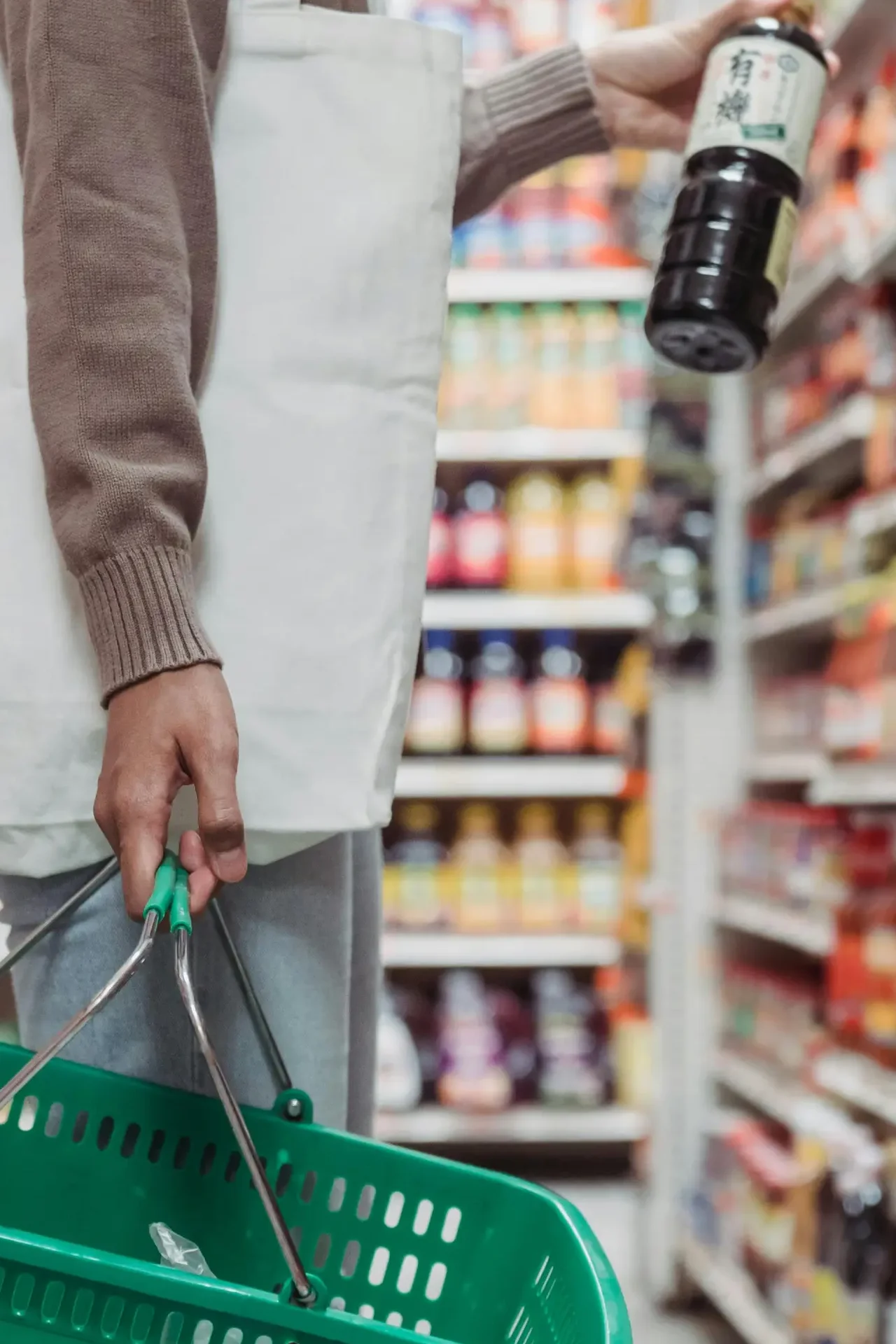
I’ve caught myself doing this more than once: Standing in the supermarket aisle, holding a packet, trying to decide if it’s actually worth buying or just looks convincing on the front. ‘’Don’t mind me. Just checking the food label.’’
A food label is basically the information printed on the package. Ingredients. Numbers. Dates. Storage instructions. It’s the only place the manufacturer actually tells you what you’re buying. Not the front claims. Not the pictures. The label.
This is the first place I look now. I learned that after buying porridge flour in bulk. I didn’t check how close it was to the best-before date. By the time I noticed, it had less than two weeks. Most of it went to waste.
Let’s explore the kind of info we can actually find on food labels.
1. Ingredients
Most things we grab off the shelf aren’t made from just one ingredient. That’s why companies have to list what went into making them. You’ll notice that the ingredients are arranged from the ones used the most to those used the least.
In case of allergies or certain foods you avoid, this section is important. Keep a lookout for common allergens like nuts, wheat, soy, or dairy. They’re often in bold or set apart to make them easier to spot. Learn more about allergen labelling.
Reading labels isn’t just about what is inside, but also how practical the product actually is for you.
2. Nutrition Information
This is where the numbers live. Calories, sugar, fat, protein, fibre. It’s not about being perfect with food. It’s about knowing what you’re actually eating.
I don’t track everything. Most of the time, I’m just checking one or two things that matter to me. One thing people miss all the time is the serving size. A package can look small and still contain more than one serving, which changes the rest of the information completely.
3. Storage and Packaging
This isn’t extra information. Ignore it, and the food goes bad faster, or worse, becomes unsafe. The recycling symbols are there too, but honestly, I pay more attention to how the food needs to be stored than anything else.
Some labels tell you what to do after you open the food. Refrigerate. Keep in a cool place. Use within a certain number of days.
This is one I’ve personally ignored, and regretted. I once bought a fruit drink, read the label, and saw it said “consume within 3 days after opening.” I remember thinking, that’s fine. I’d open it in a “clean” environment, refrigerate it properly, and stretch it a little. Three days felt more like a suggestion than a rule.
It wasn’t. And yes, the rest went exactly how you’re imagining.
4. Origin of the Product
I usually check where the food comes from, even if it doesn’t always change what I buy. Sometimes it’s just a country name. Sometimes it’s the manufacturer. Either way, I like knowing.
I won’t pretend I research everything. I don’t. But seeing where something was made or sourced gives me a bit more context. It makes the purchase feel less random. And sometimes, that’s enough to tip the decision one way or the other.
You’ll also see words like organic or fair trade here. I don’t take them at face value, but I don’t ignore them either. I treat them as a starting point, not a promise.
5. Handling Instructions
This is one of the most ignored sections. How to cook it, whether it’s ready to eat, whether it can go in the microwave. Most people skip it because they think they already know. I’ve done it myself plenty of times.
And then you realise the label was right. The food wasn’t ready to eat. You overcooked it. Or undercooked it. Or left it sitting out too long. As obvious as it may feel, I’ve learned that when a label bothers to tell you how to handle it, it’s worth paying attention.
6. Production and Expiry Dates
The dates printed on food packages might be small, but they’re critical.
- Production or manufacturing date tells you when the product was made.
- Best before relates to quality. The food is usually still safe after this date, but the taste or texture may decline.
- Use by or expiry date relates to safety. Once this date passes, it’s best not to take chances.
These dates matter most for foods that spoil quickly, like milk, meat, and ready-to-eat items.
Why I Pay Attention to Labels
Food labels are easy to ignore because they’re small and not very exciting. But they’re one of the few tools we have when we’re buying food we didn’t make ourselves.
I read them because I know what happens when I don’t. Sometimes it’s wasted money. Sometimes it’s food going bad too fast. Sometimes it’s a lesson you only need once.
Taking a few extra seconds to read the label doesn’t make shopping complicated. It just makes it intentional. And for me, that’s reason enough.